Why I keep returning to Pakistan’s brick-kiln communities
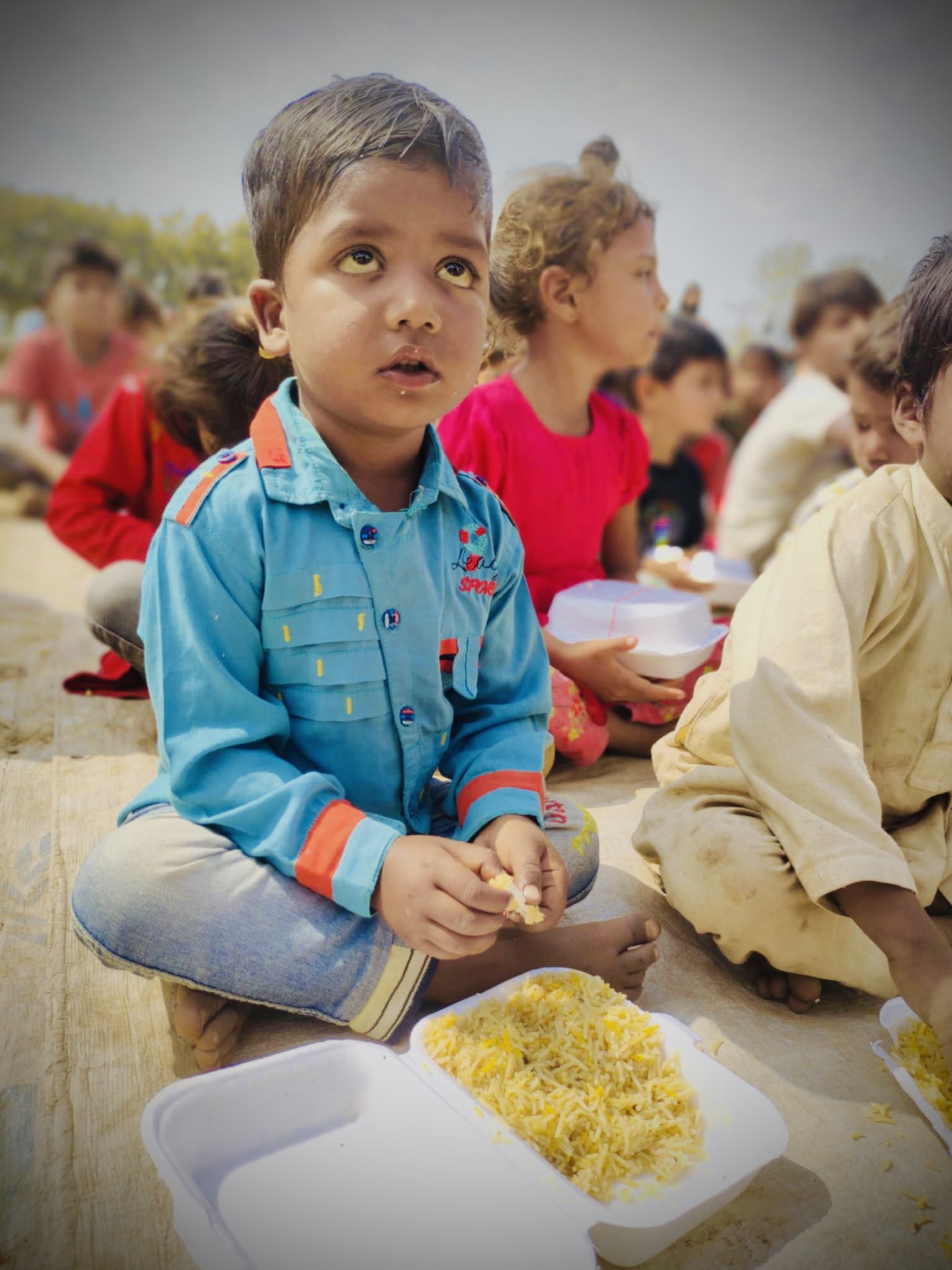
There are children in Pakistan whose earliest memories are not of playgrounds, bicycles, or classrooms, but of brick factories. Children who grow up surrounded by enormous stacks of drying bricks, the dust of the earth beneath their feet, and families working extraordinarily long days simply to survive. For many of these children, the possibility of attending school regularly, learning to read, or imagining a different future is something that has never seemed particularly within reach. And yet, whenever I think about the brick-kiln communities I’ve had the privilege of visiting over the years, it is not the bricks or the poverty that I remember most vividly. It is the children. Their faces. Their laughter. The way they gather around when someone comes to visit. The extraordinary dignity and beauty of lives that the rest of the world so rarely gets to see.
I was born in Pakistan, but much of my life has unfolded in the United States. Returning to the country of my birth as a follower of Jesus has become one of the most meaningful parts of my life, and some of the relationships that have shaped me most deeply have been formed in places that many people would never think to visit. Brick factories are among those places. I’ve spent years working alongside Pakistani pastors and ministry partners who know these families, understand the challenges they face, and faithfully return to them long after a visiting speaker has gone home. Through those relationships, I’ve been given the opportunity to share the Gospel with children and their parents, help provide meals and educational resources, and support projects intended to create possibilities beyond the work that has defined so much of their lives.
One of the things I’ve come to understand is that it is possible to see a tremendous amount of suffering and still miss the people themselves. We can become so overwhelmed by statistics about poverty, child labor, and limited access to education that we begin to think of entire communities in terms of their needs rather than their humanity. But these are not simply children who need rescuing or families who need assistance. They are people with names and stories, relationships and hopes, humor and faith, and a dignity that does not diminish because their circumstances are difficult. The more time I spend in these communities, the more deeply I believe that meaningful ministry begins with the willingness to see people as they truly are and to remain present long enough for trust and friendship to grow.
That is why education has become such an important part of this work. When a child learns to read, something begins to change. A door opens that may have been closed for generations. And when children have opportunities to study, to hear that their lives matter, and to be encouraged by adults who believe in their future, those small beginnings can become part of a much larger story. Our work with children in brick-kiln communities has grown through local partnerships, educational initiatives, Bible teaching, and practical support. None of these things happens overnight. Progress is often slow, sometimes complicated, and almost always dependent upon the faithful work of people who are there every day.
As I prepare to return to Pakistan, I’m especially grateful for the opportunity to visit many more brick-kiln communities and spend time with children and families who are so often overlooked. There will be gatherings where we share stories from Scripture, pray together, and provide meals. There will also be opportunities to listen, to learn what families are facing, and to consider how we can continue supporting the local leaders who serve them. I know I will come home carrying new stories and faces in my heart, just as I have so many times before.
I sometimes think about how different my own life might have been had I been born into another family, in another part of the same country. So much of what we imagine to be ordinary about our lives is, in fact, an extraordinary gift. The opportunity to go to school. The freedom to pursue work we enjoy. The ability to imagine a future that looks different from the circumstances into which we were born. I don’t want to take those gifts for granted, and I don’t want the children I’ve met in Pakistan to remain invisible simply because their lives unfold so far from the places where most of us live.
I cannot change every circumstance these families face. But I can return. I can listen. I can work alongside people who know and love these communities. I can help make education, clean water, practical assistance, and the message of Jesus available in places where they are deeply needed.
And perhaps that is where so much of this work begins: not with the belief that we can change everything, but with the willingness to keep showing up, one child, one family, and one community at a time.